
Understanding Your skincare tips and Building a Routine That Transforms Your Complexion
Your skin is your body’s largest organ, and taking care of it goes far beyond simple vanity. so here the skincare tips. Healthy skin protects you from environmental damage, regulates body temperature, and serves as your first line of defense against bacteria and harmful substances. Yet despite its importance, many people struggle with understanding what their skin truly needs to thrive.
In this comprehensive skincare tips guide, we will explore the fundamental principles of effective skincare, breaking down complex concepts into practical steps you can implement immediately. Whether you are dealing with dryness, acne, premature aging, or simply want to maintain your skin’s natural radiance, understanding these core principles will transform your approach to skincare forever.
Understanding Your Skin: The Foundation of Effective Care
Before diving into specific skincare tips and routines, it is essential to understand how your skin actually works. Think of your skin as a living, breathing ecosystem that responds to everything you put on it and everything happening inside your body. Your skin has multiple layers, each serving distinct functions, and when you understand these layers, you can make smarter decisions about what products and practices will truly benefit you.
The outermost layer, called the epidermis, acts as a protective barrier. Just beneath it lies the dermis, which contains collagen and elastin—the proteins responsible for keeping your skin firm and elastic. When we talk about skincare routines, we are essentially trying to support these layers in doing their jobs effectively while protecting them from damage caused by sun exposure, pollution, stress, and the natural aging process.
Different skin types require different approaches and different skincare tips. Oily skin produces excess sebum and tends to be prone to acne and enlarged pores. Dry skin lacks sufficient moisture and often feels tight or flaky. Combination skin features both oily and dry areas, typically with an oily T-zone spanning the forehead, nose, and chin. Sensitive skin reacts easily to products and environmental factors, showing redness or irritation. Understanding your skin type is the first step toward building a routine that actually works for you rather than against you.
The Essential Daily skincare tips Routine: Building Your Foundation
A proper skincare routine does not need to be complicated or expensive. In fact, consistency with a simple, well-chosen routine will always outperform sporadic use of expensive products. Let us break down the essential steps that every effective skincare routine should include.
Cleansing: The Critical First Step
Cleansing removes dirt, oil, makeup, and environmental pollutants that accumulate on your skin throughout the day. However, many people make the mistake of over-cleansing or using harsh products that strip away natural oils. Your goal should be to cleanse thoroughly without disrupting your skin’s natural moisture barrier.
For morning cleansing, you might only need a gentle rinse with lukewarm water, especially if you have dry skin. Evening cleansing is more critical because it removes the day’s buildup. If you wear makeup or sunscreen, consider double cleansing—first with an oil-based cleanser to break down these products, then with a water-based cleanser to remove any remaining residue.
Choose a cleanser appropriate for your skin type. Those with oily or acne-prone skin benefit from gel cleansers containing salicylic acid. Dry or sensitive skin types should opt for creamy, hydrating cleansers that do not foam excessively. The presence of lots of foam often indicates harsh sulfates that can be drying.
Toning: Balancing and Preparing
Toners were originally designed to restore skin’s pH balance after cleansing with harsh soaps, but modern toners do much more. Today’s formulations can hydrate, exfoliate gently, deliver antioxidants, or target specific concerns like enlarged pores or uneven texture.
Apply toner to clean skin using a cotton pad or by patting it directly into your skin with your hands is one of the best skincare tips. Look for alcohol-free formulations, as alcohol-based toners can be excessively drying. Hydrating toners containing hyaluronic acid work beautifully for dry skin, while toners with niacinamide or witch hazel can help control oil production for those with oilier complexions.
Treating: Targeting Your Specific Concerns
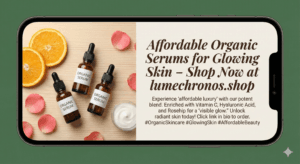
The treatment step is where you address your individual skin concerns with targeted serums or treatments. Serums are concentrated formulations designed to penetrate deeply and deliver active ingredients where they are needed most.
Vitamin C serums brighten skin and protect against environmental damage when used in the morning. Retinol or retinoid treatments stimulate collagen production and accelerate cell turnover, making them excellent for anti-aging and acne treatment—these are best used at night. Hyaluronic acid serums provide intense hydration by attracting and holding moisture in your skin. Niacinamide helps with everything from reducing inflammation to minimizing pores to improving skin texture.
When introducing new active ingredients, start slowly to allow your skin to adjust. Using too many actives at once or applying them too frequently can lead to irritation and damage your skin barrier.
Moisturizing: Sealing in Hydration
Every skin type needs moisture, even oily skin. The key is finding the right formulation for your needs. Moisturizers work by creating a protective layer on your skin’s surface that prevents water loss while delivering hydrating ingredients deep into your skin.
For oily skin, choose lightweight, oil-free gel moisturizers that hydrate without adding heaviness. Dry skin benefits from richer creams containing ingredients like ceramides and fatty acids that reinforce your skin’s natural barrier. Combination skin might need different products for different areas, or a medium-weight lotion that balances both needs.
Apply moisturizer to slightly damp skin to lock in maximum hydration. This allows the product to trap water against your skin rather than just sitting on top of it.
Sun Protection: Your Most Important Anti-Aging Step
If you take away only one piece of advice from this entire guide, let it be this: wear sunscreen every single day, regardless of weather or season. Sun damage is the single largest contributor to premature aging, causing wrinkles, dark spots, loss of elasticity, and significantly increasing skin cancer risk.
Choose a broad-spectrum sunscreen with at least SPF 30 that protects against both UVA and UVB rays. UVA rays penetrate deeply and cause aging, while UVB rays burn the surface. Both types damage your skin’s DNA and contribute to skin cancer development.
Apply sunscreen as the final step of your morning routine, using approximately one-fourth of a teaspoon for your face alone. Reapply every two hours when spending extended time outdoors. Many people prefer mineral sunscreens containing zinc oxide or titanium dioxide for sensitive skin, while others opt for chemical sunscreens that feel lighter and blend more easily.
Advanced Skincare Tips for Maximum Results
Once you have mastered the basics, these additional strategies can elevate your skincare routine and address specific concerns more effectively.
Exfoliation: Revealing Fresh, Radiant Skin
Exfoliation removes dead skin cells from your surface, revealing the fresher, brighter skin underneath. However, this is an area where more is definitely not better. Over-exfoliation damages your skin barrier and can lead to increased sensitivity, redness, and even more breakouts.
Choose between physical exfoliants, which manually buff away dead cells using small particles or tools, and chemical exfoliants, which use acids to dissolve the bonds holding dead cells together. Chemical exfoliants are generally gentler and more effective. Alpha hydroxy acids like glycolic and lactic acid work on the skin’s surface and are excellent for improving texture and brightness. Beta hydroxy acids like salicylic acid penetrate into pores, making them ideal for acne-prone or oily skin.
Most people only need to exfoliate two to three times per week. If your skin becomes red, irritated, or more sensitive, you are exfoliating too frequently or using products that are too strong for your skin.
Hydration From Within: The Internal Approach
No amount of topical products can fully compensate for internal dehydration. Your skin cells need water to function optimally, flush out toxins, and maintain their plump, healthy appearance. Aim to drink at least eight glasses of water daily, and increase this amount if you exercise heavily or live in a dry climate.
Additionally, what you eat directly impacts your skin’s health. Foods rich in omega-3 fatty acids, like salmon, walnuts, and flaxseeds, help maintain your skin’s lipid barrier and reduce inflammation. Antioxidant-rich foods like berries, dark leafy greens, and colorful vegetables protect your skin cells from free radical damage. Limiting sugar and processed foods can help reduce inflammation and prevent breakouts.
The Power of Sleep for Skin Regeneration
Your skin does most of its repair work while you sleep. During deep sleep stages, your body increases blood flow to your skin, rebuilds collagen, and repairs damage from UV exposure and environmental stressors. Consistently getting seven to nine hours of quality sleep is one of the most powerful things you can do for your skin’s health and appearance.
Create a sleep-friendly environment by keeping your bedroom cool, dark, and quiet. Consider using a silk or satin pillowcase, which creates less friction against your skin than cotton and can help prevent sleep lines and wrinkles. Applying a nourishing night cream or overnight mask before bed gives your skin extra support during this critical repair period.
Stress Management and Its Impact on Your Complexion
Chronic stress wreaks havoc on your skin through multiple mechanisms. Increases cortisol production, which stimulates oil glands and can trigger breakouts. It impairs your skin’s barrier function, making it more vulnerable to irritants and moisture loss. It can also exacerbate existing skin conditions like eczema, psoriasis, and rosacea.
Incorporating stress-reduction practices into your daily routine benefits not just your skin but your overall health. Regular exercise, meditation, deep breathing exercises, spending time in nature, and maintaining strong social connections all help manage stress levels. Even something as simple as taking five minutes each day for conscious relaxation can make a noticeable difference in your skin’s appearance.
Natural Remedies and Home Treatments
While commercial skincare products offer concentrated, scientifically formulated ingredients, certain natural ingredients can complement your routine effectively and affordably.
Aloe vera provides soothing hydration and has anti-inflammatory properties, making it excellent for calming irritated or sunburned skin. Apply pure aloe vera gel directly from the plant or choose products with high aloe content.
Honey acts as a natural humectant, drawing moisture into your skin while offering antibacterial properties that can help with acne. Raw, unprocessed honey works best. Apply it as a mask for ten to fifteen minutes before rinsing.
Green tea contains powerful antioxidants that protect against environmental damage and reduce inflammation. You can apply cooled green tea directly to your skin or look for products containing green tea extract.
Oatmeal soothes sensitive and irritated skin while gently exfoliating. Create a paste with finely ground oatmeal and water, apply to damp skin, and gently massage before rinsing.
Remember that natural does not automatically mean safe or effective for everyone. Even natural ingredients can cause allergic reactions or irritation in some people. Always patch test new ingredients on a small area before applying them to your entire face.
Common Skincare Mistakes to Avoid
Understanding what not to do is just as important as knowing what to do. These common mistakes can undermine even the best skincare routine.
Using products that are too harsh for your skin often does more harm than good. If a product makes your skin feel tight, red, or irritated, it is too harsh regardless of what it promises to do. Effective skincare should feel comfortable and soothing, not painful or uncomfortable.
Changing products too frequently prevents you from seeing real results. Most skincare products need at least four to six weeks of consistent use before you will notice significant improvements. Constantly switching products also makes it impossible to identify what is actually working for your skin.
Skipping sunscreen on cloudy days or during winter leaves your skin vulnerable to UV damage that accumulates over time. Up to eighty percent of UV rays can penetrate clouds, and snow actually reflects UV radiation, increasing your exposure.
Touching your face throughout the day transfers bacteria and dirt from your hands to your skin, potentially causing breakouts and irritation. Make a conscious effort to keep your hands away from your face except when applying skincare products with clean hands. To buy products for skincare visit our store.
Sleeping in makeup prevents your skin from breathing and repairing itself overnight while clogging pores and potentially causing irritation. No matter how tired you are, always cleanse your face before bed.
Building a Sustainable Skincare Journey
Effective skincare is not about perfection or using the most expensive products on the market. It is about consistency, understanding your skin’s unique needs, and making informed choices that support your skin’s health over the long term.
Start with the basics and build gradually. Master cleansing, moisturizing, and sun protection before adding more complex treatments. Listen to your skin and adjust your routine based on how it responds. What works for someone else may not work for you, and that is perfectly normal.
Remember that achieving healthy, glowing skin is a journey, not a destination. Your skin will change as you age, as seasons change, and as your life circumstances evolve. Staying flexible and informed will help you adapt your routine to continue giving your skin what it needs at every stage.
For more health and wellness insights, visit lumechronos.com where we share comprehensive guides on living your healthiest, most vibrant life. Our German readers can find localized content at lumechronos.de, featuring region-specific advice and product recommendations.
Your skin is with you for life, protecting and serving you every single day. Treating it with knowledge, consistency, and care is an investment that pays dividends in both your appearance and your overall health. Start implementing these evidence-based skincare tips today, and watch as your skin transforms into its healthiest, most radiant version.
At LumeChronos, we believe that understanding the science behind skincare empowers you to make better choices for your skin’s health. Visit us regularly for more in-depth guides on health, wellness, and living your best life.